

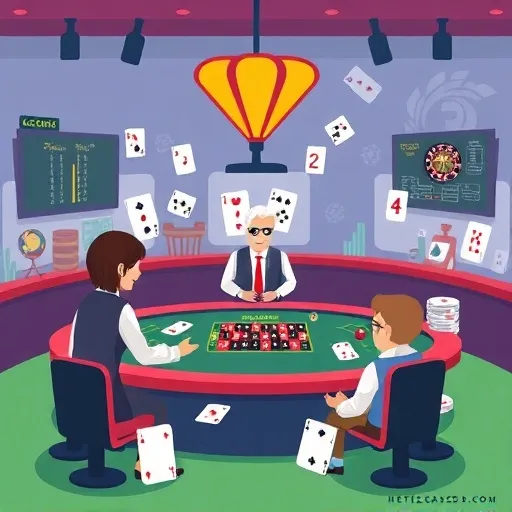
Live casino dealer o
The Basics: What Is a Live Casino Dealer, Really?
Okay, let's break this down from square one. A live casino dealer is a trained professional who runs real table games — we're talking blackjack, roulette, baccarat, and various poker formats — right in front of a camera, streaming live to players scattered across the globe. And no, this isn't some software-generated avatar doing the dealing. Those exist, sure, but a live dealer is an actual human being, sitting or standing at a physical table inside a broadcast studio. That distinction matters a lot when you start digging into how do live casino dealers work.
The role itself is a weird and wonderful mix of three skill sets: game mastery, on-camera presence, and technical awareness. A dealer isn't just shuffling cards or spinning a wheel — they're also performers, customer service reps, and honestly, live broadcasters in their own right. Now that we're in 2026, with AI-assisted tools and ultra-low-latency streaming pretty much standard across the industry, the job has morphed into something way more dynamic than it was just a few years back. Understanding how do live casino dealers work today means wrapping your head around all of it.
Inside the Studio: A Typical Shift for Live Casino Dealers and Table Game Hosts
So what does a typical shift actually look like? Most live dealers work in purpose-built studios run by established gaming platforms or third-party studios that partner with multiple operators. Picture a professional TV set — multiple tables, overhead cameras, lighting rigs, and monitoring stations everywhere. It's part casino floor, part broadcast booth.
Before going live, there's usually a briefing session. Dealers review the games they'll be hosting, check for any rule updates, and get briefed on Responsible Gaming guidelines — which has become a critical part of the role in 2026, given the industry's heavier focus on player protection. They'll also run a quick equipment check: cards, chips, the shuffle machine (if one's used), and the physical table layout all get verified. This is a big part of how do live casino dealers work — preparation is everything.
On Camera: Live Casino Dealers, Game Flow Management, and Chat Moderation Duties
Once the stream goes live, the dealer's job becomes a constant balancing act. They're managing game flow, announcing results clearly, engaging with players via chat (often relayed by a chat moderator), and keeping the pace smooth. On a busy table, a dealer might handle dozens of rounds per hour, all while maintaining a friendly, professional demeanor. Sounds easy, right? Now consider that every move is being watched by hundreds or thousands of players simultaneously — and recorded for compliance purposes. That's the reality of how do live casino dealers work under pressure.
Between Rounds: Live Casino Dealers, Table Rotations, and Compliance Reporting
Rotations are super common. Dealers typically switch tables every 30 to 60 minutes to stay fresh and reduce fatigue. Between sessions, they debrief with supervisors, report any irregularities, and reset their tables. Accuracy and consistency matter way more than speed — especially in games where a single misdeal could trigger a dispute. Ask anyone who knows how do live casino dealers work and they'll tell you: precision beats pace every time.
Game Knowledge, Manual Dexterity, and Communication Skills for Live Casino Dealers
Not everyone can do this job well. Here's what separates a competent dealer from an exceptional one:
- Game knowledge: Deep familiarity with rules, payouts, and table etiquette across multiple game types.
- Manual dexterity: Fast, clean chip handling and card dealing — the kind of smooth motion that builds player trust.
- Communication: Clear announcements, comfortable small talk, and the ability to read the room (or chat) without losing focus.
- Composure: Staying calm under pressure, especially when a player disputes an outcome or the tech glitches.
- Tech fluency: Understanding the camera angles, audio setup, and how their actions translate to the stream in real time.
Industry pros often say the best dealers make the game feel effortless — and that's exactly the point. When everything runs smoothly, players forget they're watching a broadcast at all. That's the magic of how do live casino dealers work when it's done right.
RFID Tables, Optical Card Recognition, and AI Monitoring in Live Dealer Studios
This is where things get really interesting in 2026. Live dealer studios today rely on a layered tech stack: multi-camera rigs, RFID-enabled tables that track chip movements, optical card recognition systems, and low-latency streaming protocols. The dealer doesn't need to be an engineer, but they do need to understand how these tools behave.
For example, when a dealer places a card on the table, an optical recognition system reads it and displays the value on screen almost instantly. If the system misfires, the dealer is trained to spot the discrepancy and correct it manually. Similarly, chip-tracking tech helps verify bets, but the dealer's eyes remain the first line of defense. Another big shift: many studios now use AI-assisted monitoring to flag unusual patterns — things like suspected collusion or irregular betting. The dealer's role here is to stay alert and escalate concerns to a supervisor. It's a partnership between human judgment and machine precision, and it's reshaping what dealer training actually looks like — and honestly, it's a huge part of how do live casino dealers work in the modern era.
Dealer Training Academies, Certification Programs, and Compliance Protocols
Becoming a live casino dealer isn't a walk in the park. Most studios run their own in-house academies, typically lasting several weeks. Trainees learn rules and procedures for each game type, chip handling and card mechanics, on-camera presentation and voice control, compliance, anti-money-laundering basics, responsible gaming protocols, and technical systems and troubleshooting.
Certification requirements vary by jurisdiction, but in 2026 there's been a noticeable push toward standardized training frameworks across regulated markets. Many platforms now require ongoing refresher courses, especially as new game variants and tech tools roll out. A dealer who joined five years ago is essentially doing a different job today. That's how fast how do live casino dealers work is changing.
Player Experience, Authenticity, and Retention Rates in Live Dealer Games
From a player's perspective, a live dealer transforms an online game into something closer to a real casino floor. The appeal is authenticity — the sound of chips, the shuffle, the human interaction. Industry insiders frequently point out that live dealer games have some of the highest retention rates in online gaming, largely because they feel social and trustworthy.
That trust is earned through repetition and professionalism. When a dealer consistently handles cards cleanly, announces results clearly, and responds pleasantly to chat, players feel confident in the fairness of the game. In a world where digital everything is the norm, that human touch is surprisingly powerful — and it's a perfect example of why how do live casino dealers work matters so much to the overall experience.
Career Paths, Salary Expectations, and Industry Demand for Live Casino Dealers
Absolutely — and it's evolving fast. Live dealer roles now come with structured career paths: dealer, senior dealer, pit supervisor, studio manager, and trainer. Some professionals move into quality assurance, compliance, or tech operations. Salaries vary widely by region and platform, but the industry's continued expansion into new regulated markets has kept demand steady.
The job does come with real demands: shift work, intense focus, and the pressure of being on camera. But for people who thrive on interaction and precision, it's a surprisingly rewarding gig. As one seasoned pro put it, "You're not just dealing cards — you're hosting an experience." That quote pretty much sums up how do live casino dealers work at the highest level.
Actors, Outcome Control, and Scripted Games: Debunking Live Dealer Myths
Let's clear up a few misconceptions about live dealer roles and table game integrity:
- Myth: Dealers are actors or models first. Reality: Game skill and accuracy come first; presentation is important but secondary.
- Myth: Dealers control outcomes. Reality: Shuffles, spins, and card draws follow strict protocols, and everything is monitored and recorded.
- Myth: It's all scripted. Reality: Live means live — dealers adapt to real-time chat, real bets, and genuine unpredictability.
These myths stick around because people don't fully grasp how do live casino dealers work behind the scenes — the compliance standards, the monitoring, and the sheer level of accountability involved.
Human Element, Real-Time Card Dealing, and the Future of Live Casino Dealers
Live casino dealers are the unsung stars of online gaming. They combine the precision of a trained professional with the warmth of a good host, all while navigating sophisticated technology and strict compliance standards. As the industry continues to grow and innovate in 2026, one thing seems certain: the human element — a real person dealing real cards — will remain the cornerstone of the live casino experience. Whether you're playing or considering a career behind the table, understanding how do live casino dealers work gives you a genuine appreciation for the craft involved.
So next time you sit down at a live table, pay attention to the small details: the smooth shuffle, the clear call, the friendly greeting. That's hours of training, technology, and human skill all working together — live, in real time, just for you. And honestly? Once you know how do live casino dealers work, you'll never watch a live table the same way again.